
10 Video Ideas for Small Businesses in 2026
Quality video content can bring your business to the next level — here are ten different video concepts to get you started.
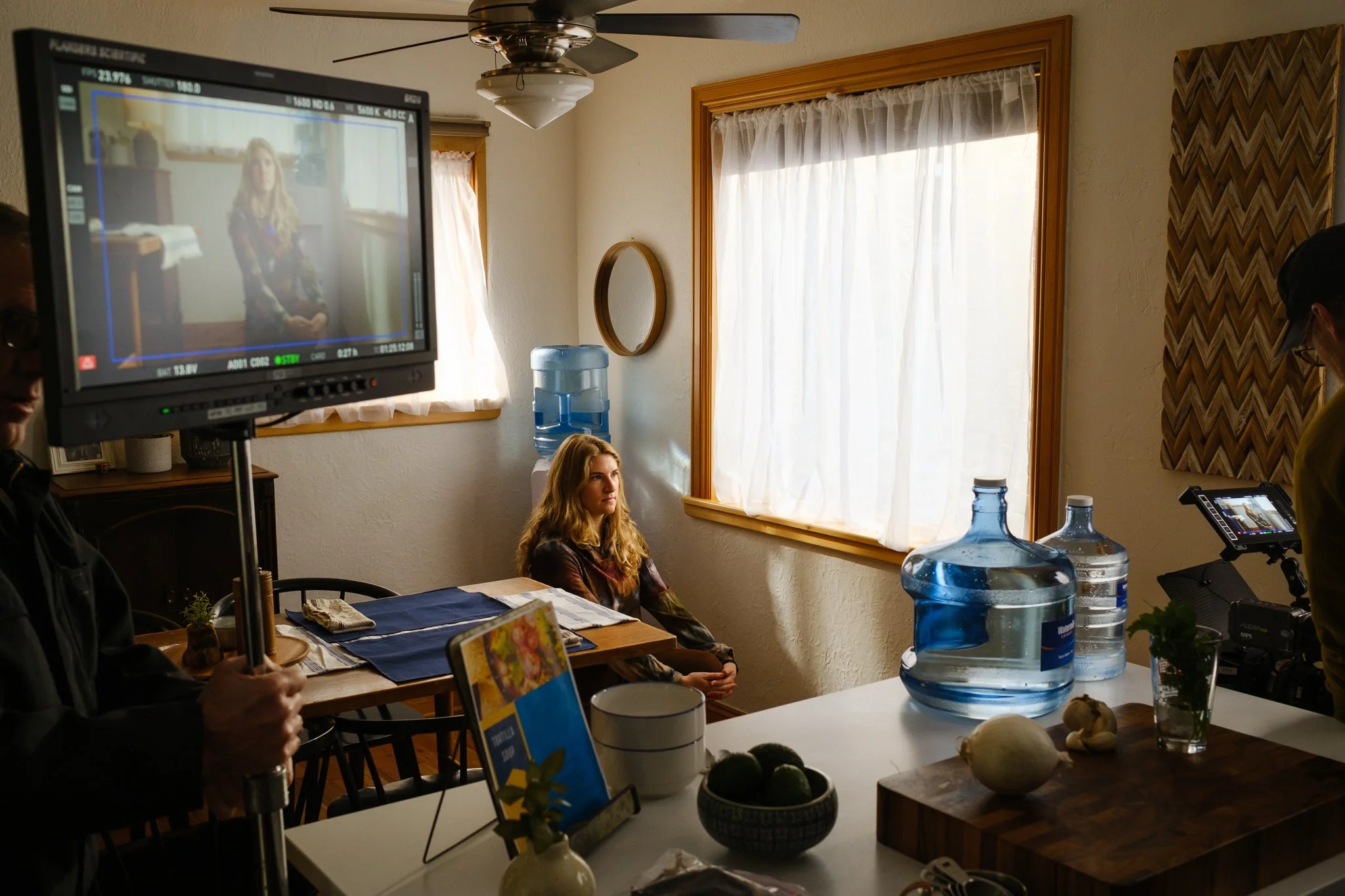
Image via Noble Bison Productions
Written by: Jeff Riley
Updated: August 7th 2026
Most advice about small business video stops at "grab your phone and film something." It isn't bad advice, exactly, and plenty of good content has come out of a kitchen at 6 a.m. with nothing but daylight and a tripod. But it leaves out the half of the picture that decides whether any of it earns you money, namely which formats do which jobs, what a rough clip can accomplish on its own, and where a phone stops being enough.
We produce video for small businesses in Denver, so we watch this play out constantly. A shop films fifty Reels and gets crickets. Another spends real money on one brand film and never repurposes a frame of it. The businesses that get returns are the ones matching the format to the job it's supposed to do.
Below are ten video ideas worth your time in today’s landscape, what each one does, and an honest breakdown of which to handle in-house and which to bring in a crew for.
Key Takeaways
The ten video formats for small businesses include short-form vertical social clips, long-form explainers built for search, educational how-to videos, customer testimonials, a brand film, product demos and reveals, behind-the-scenes footage, local creator collaborations, recruitment videos, and personalized prospecting videos.
Start with short-form social clips and one long-form explainer answering your most-asked customer question. Caption everything, since many social videos are watched with the sound off.
Shoot behind-the-scenes, live, and social content in-house on a phone, and hire a production crew for your brand film, testimonials, and anything a customer sees before they've decided to trust you. Keep most videos between 30 seconds and two minutes, and post consistently rather than perfectly.
What Changed in 2026
Two shifts should shape where you point the camera this year.
The first is that video stopped being a differentiator. Wyzowl's 2026 video marketing report puts business adoption at 91%, back to its all-time high, and 93% of video marketers call it an important part of their strategy. What moved is satisfaction. Marketers reporting good ROI dropped from 93% to 82% in a single year. More businesses are publishing than ever, so simply having video no longer separates you from the four competitors in the same search results. Your audience registers that from the other side of the screen, and 89% of consumers say video quality affects how much they trust a brand.
The second shift is quieter and almost nobody is writing about it. Search results now open with an AI-generated answer more often than not, and BrightEdge's analysis found YouTube is the single most-cited domain inside Google's AI Overviews, appearing in close to 30% of them and outciting the next video platform by roughly 200 times. The finding that should change your plan sits underneath that number. Around 96% of those YouTube citations come from standard long-form videos, with Shorts capturing barely a sliver.
So the short vertical clips everyone recommends will earn you attention in the feed, while the longer, clearly structured version of that same expertise is what an AI answer engine reaches for when somebody asks the question outright. Both belong in your plan for different reasons, and most small businesses are only making one of them.
Start With Where Your Audience Already Is
Before you script anything, work out where your people spend their attention. Are they scrolling TikTok at lunch, searching YouTube for a repair walkthrough, checking LinkedIn between meetings, or asking a neighborhood Facebook group who to call? YouTube anchors the whole landscape, uploaded to by 82% of video marketers and rated effective by 69% of them, with LinkedIn, Instagram, Facebook, and webinars filling the tier behind it.
Three questions will get you a workable brief:
Where does your audience already watch video?
What do they need to understand before they'll feel comfortable buying?
And what are your competitors leaving unexplained?
Write the answers down, because they decide which of the ten below deserve your first dollar.
1. Short-Form Vertical Clips for the Feed
Short-form social videos are the single most-produced video type in 2026. This is where most small businesses should plant their flag first. Fifteen to sixty seconds, shot vertically, cheap enough to test and forgiving of imperfection in a way a brand film never will be.
Show the process, not the product. A bakery piping icing, a cleaner's before-and-after, a welder laying a bead. Process footage stops thumbs because it's satisfying before it's informative.
Answer one question in under a minute. Take a question you field weekly and give it forty seconds. These clips double as raw material for the longer explainer in idea #2.
Put the owner on camera. Founder visibility content outperforms faceless brand accounts consistently, and it costs you nothing but nerve.
Burn the words onto the screen. Assume nobody can hear you. Roughly 56% of social video views happen with the sound off, and on Facebook and LinkedIn that figure climbs past 80%, because people watch in waiting rooms, on lunch breaks, and in bed next to someone sleeping. TikTok is the outlier, where about 73% watch with sound on. Every word of narration should appear as on-screen text, and the first three seconds should communicate the point visually before a single syllable is heard. Captions are the cheapest upgrade available in social video, improving both retention and completion across every platform that's been measured.
Repurpose to your Google Business Profile. Profiles accept short video, and Google indexes it. For a local business fighting for the Denver map pack, a thirty-second clip of your actual space is a free trust signal most competitors skip.
2. The Long-Form Explainer That AI Search Will Cite
When people are asked how they'd most like to learn about a product or service, 63% choose a short video, far ahead of text articles at 12%, infographics at 7%, sales calls at 5%, and webinars at 4%. Explainer videos are the second most-created format among marketers at 68%, and 96% of people have watched one before buying something.
Film your FAQ page. Every question on it becomes a sixty-second video that can sit beside the text and get embedded on the product page it addresses.
Demystify your industry's jargon. The terms you use without thinking are the ones costing you sales. Explaining what a "punch list" or a "lead time" means positions you as the trustworthy option before anyone calls.
Make customer support videos. Fifty-seven percent of video marketers say video has cut down their support queries, which is real money back for a small team fielding the same call five times a week.
4. Customer Testimonials
You can tell people you're the best in your market and they'll discount it appropriately. A former client saying the same thing carries weight your own copy never will. Testimonial videos are produced by 57% of video marketers, and 85% of consumers report being convinced to buy after watching a video.
The trick is specificity. A café regular explaining the exact routine that brings them back every Tuesday persuades far better than someone saying the coffee is good. Ask about the problem before they hired you, the moment it got solved, and what they'd say to someone deciding right now.
This is one to hire out. Testimonials fail on bad audio more than anything else, and a client who agreed to twenty minutes of their time will not sit for a reshoot.
5. The Brand Video
Your brand video will be in use across your website, ads, and more for years, the one that tells people why you exist and what makes your approach different. It's also what most companies choose when they commit real budget to professional production. Give it a home on your About page, your homepage, and the top of your YouTube channel, then cut it down for paid social.
Dollar Shave Club's launch video remains the canonical example more than a decade on, when ninety well-written seconds took an unknown startup to national awareness almost overnight. The specific formula belongs to 2012, but the underlying lesson holds. One brand film with a genuine point of view outperforms a dozen forgettable ones.
Does your small business need a brilliant brand video?
6. Product Demos and Reveals
Online product and service research now precedes nearly every purchasing decision, and a clear look at what you sell with product videos sets you apart from competitors who rely on stock photography and a spec sheet. Teaser videos are created by 45% of marketers and product demos by 39%, so there's still room to stand out with something well-made.
Build anticipation ahead of a launch with a teaser or sizzle reel, then follow it with a demo that answers the practical questions buyers ask right before checkout. For service businesses, the equivalent is walking through what the first two weeks of working together look like.
7. Behind-the-Scenes and the Work Nobody Sees
What feels routine to you often looks fascinating to someone encountering your craft for the first time. Behind-the-scenes videos can turn a purchase into a story the buyer can retell, and it builds the kind of culture picture an About page paragraph can't.
A day in the life of one role. Your line cook, your installer, your setter. One person, one shift.
The part that takes longest. Customers rarely understand where your hours go, and showing them reframes your pricing without a word about pricing.
A routine your team runs every morning. Opening a shop, prepping a kitchen, loading a truck. Repetition is oddly compelling on camera.
A live stream when there's something to react to. Going live hands your audience a way to talk back, and you'll learn what people are confused about faster in one twenty-minute stream than in a month of analytics. Save the recording, because a good live Q&A is a clean transcript away from becoming the explainer in idea #2.
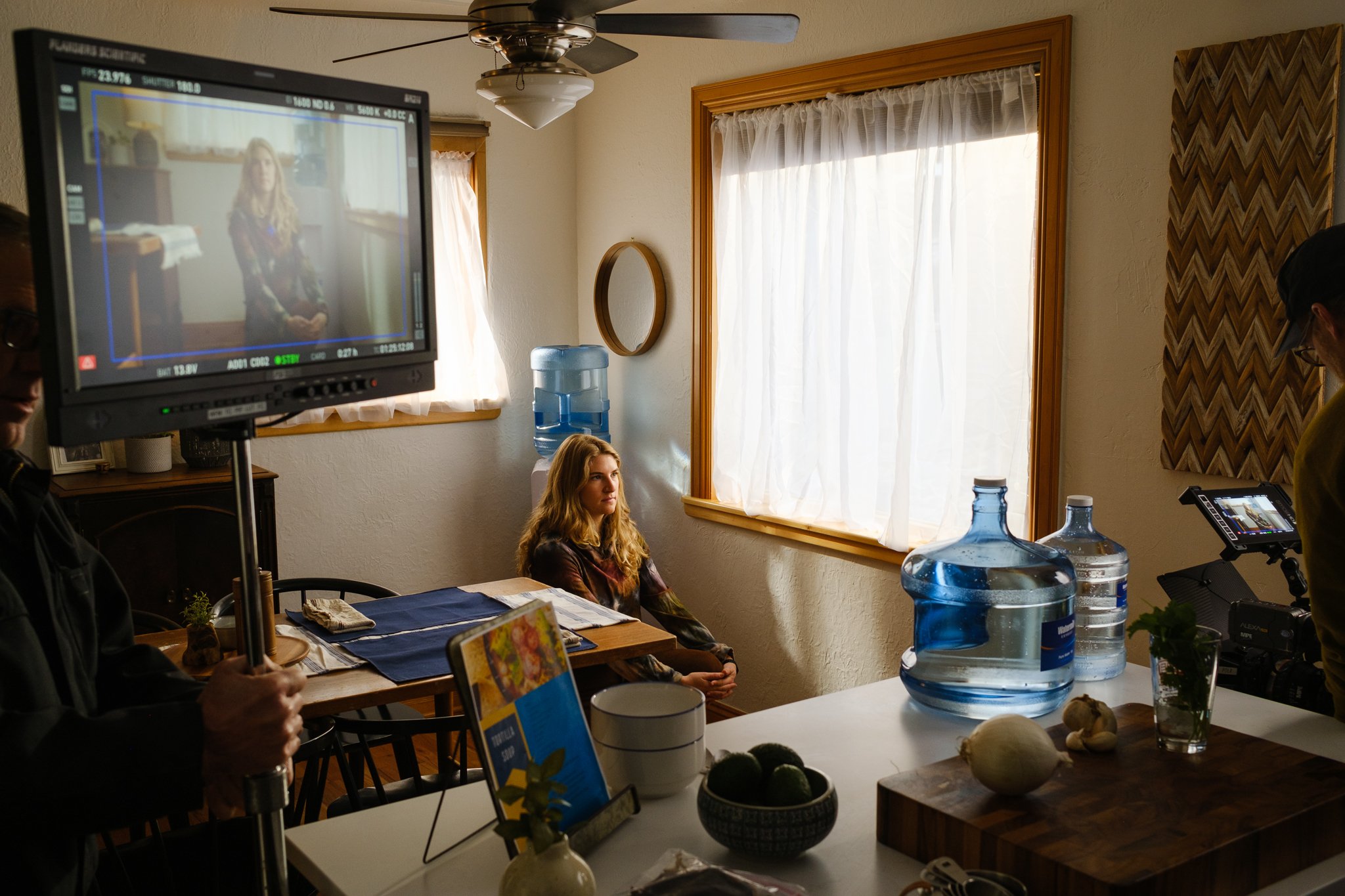
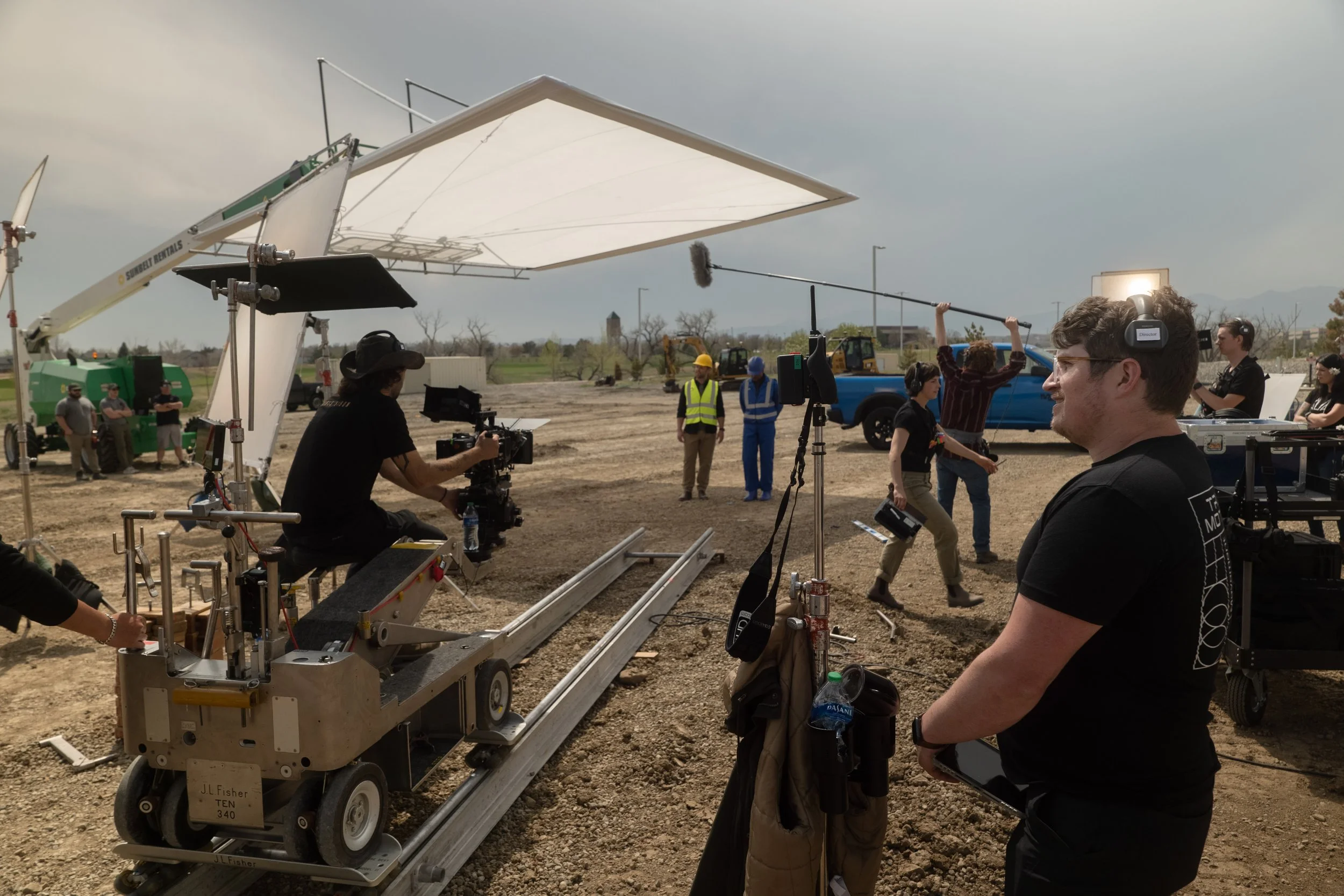
BTS Video by Noble Bison Productions
Before & After Behind-the-Scenes Clip:
“The Shot vs. Set Up“
8. Local Creator Collaborations
Working with micro-influencers and even “nano creators” is the one most small businesses overlook. For a restaurant, shop, salon, or gym, it may be the highest-return video on the list. Invite local creators in to film your space on their own terms. A creator with 5,000 followers who lives 15 minutes away drives more foot traffic than a national account with 100 times the reach, because their audience can act on the recommendation the same evening. Nano creators in the 1,000 to 10,000 follower range post engagement rates in the 8% to 20% range, well above what larger accounts deliver, and food content has the highest engagement of any category.
Rates vary widely, with nano creators generally falling between $25 and $300 per video, depending on platform, engagement, and usage rights. Plenty of local food creators will work for a comped meal and a genuinely good experience. Micro creators with larger followings run into the hundreds or low thousands.
Ask for usage rights in the brief. This is the detail businesses forget and later regret. Rights to repost the creator's footage on your own channels and run it as a paid ad often costs little at the nano tier and turns one visit into an asset library you own.
Invite several at once. A soft-launch night with five local creators generates more usable content and more overlapping neighborhood reach than five separate visits, and it costs you one evening instead of five.
Vet on comments, not follower count. A creator whose audience regularly asks where a place is or what to order there has real pull over where people eat, which a much larger account with a silent following will never match.
9. Recruitment and Culture Videos
Hiring the right person matters at every size and matters most when your whole team fits around one table. A recruitment video does work a job posting can't, showing candidates your space, your pace, and the people they'd sit next to, so the ones who apply have already opted into how you operate.
Only 16% of marketers produce employee onboarding video, which leaves a wide lane open for any small business willing to spend a day shooting. You'll interview fewer people who were never going to stay, and the ones you hire arrive knowing what they signed up for.
10. Personalized Prospecting Videos
A thirty-second video recorded for one specific prospect will out-perform the polished text email sitting above it in their inbox. More than 70% of sales professionals report that custom-recorded video produces better opens, clicks, and responses than text-based outreach, and nearly 60% say it has lifted their close rates.
Mention the prospect by name, reference something specific about their business, make one clear ask, and stop. Say one thing well instead of cramming three points into a minute.
AI video tools have moved into this workflow fast, with 63% of video marketers now using them somewhere in their process, up from 51% a year earlier. They earn their keep on volume work like drafting scripts, generating captions, and reformatting a clip for three aspect ratios. For the thirty seconds a prospect will judge you on, put a real person on camera, because the entire advantage of video in the inbox is that it proves someone took the time.
What to Shoot Yourself and What to Hire Out
Most businesses do both. Wyzowl found 59% of marketers create video in-house, 10% work exclusively with external vendors, and 32% run a mix. That last group has the right idea, and the dividing line usually comes down to whether the video is meeting someone before they've decided to trust you.
IN-HOUSE ON A PHONE: Short-form clips, behind-the-scenes, live streams, prospecting videos
Typical cost: Your time, plus a mic and a light under $200
Turnaround: Same day
What you gain: Volume, speed, and a human, unpolished feel audiences reward
What it costs you: Inconsistency, and audio that undercuts you on anything longer than a minute
Use it when: You're posting weekly and testing what lands
PROFESSIONAL VIDEO PRODUCTION: Brand film, testimonials, product demos, recruitment, long-form explainers
Typical cost: Industry ranges run roughly $2,700–$16,000 per finished video depending on scope
Turnaround: Two to six weeks from brief to delivery
What you gain: Audio, lighting, and a finished look that holds up next to national brands
What it costs you: Budget, scheduling, and less room to publish on a whim
Use it when: The video will be someone's first impression of your business
The mistake we see most often is a business inverting this, spending a full production budget on content that needed to be fast and disposable, then filming the piece that will represent them for three years on a phone propped against a coffee cup — both of which are no good.
MICRO INFLUENCER COLLABS
A third path worth exploring is working with micro-influencers in your industry. These collaborations sit between the two options above, costing less than a production day and delivering something neither approach can buy on its own, which is distribution to people who already trust the person holding the camera. Build it into the plan alongside the other two rather than treating it as a substitute for either.
6 Common Mistakes That Waste a Video Budget
Ignoring audio. Viewers forgive imperfect picture and abandon bad sound within seconds. A $60 lavalier mic improves your phone footage more than any camera upgrade.
Making one video and stopping. Video works as a body of content. One brand film with nothing around it has no way to reach anybody.
Filming without a job for it. Every video should have one goal and one audience. If you can't name what you want the viewer to do next, don't shoot yet.
Letting it run long. Most marketers put the effective window between 30 seconds and two minutes. Give the video one point and cut everything that doesn't serve it.
Skipping captions and transcripts. The majority of feed viewing happens on mute, so an uncaptioned video is a silent film to most of the people who scroll past it. Burn the text onto the screen rather than relying on each platform's auto-captions, which vary in accuracy and get switched off by some viewers. On YouTube, a corrected transcript is also what determines whether AI search can read your video at all, so the same twenty minutes of work pays you twice.
Never repurposing. A single shoot day should produce a long-form upload, six short clips, a handful of stills, and pull quotes for your site. Most businesses use maybe a fifth of what they paid for.
Point the Camera Somewhere Specific
Video has become the way customers research, compare, and decide, and 84% of consumers say they want more of it from the brands they follow. The businesses seeing real returns are the ones who know what each video is for, keep the quality high where it counts, and repurpose everything they shoot.
Pick one idea from this list that maps to a question your customers keep asking, and start there this month. If you'd like a hand producing content that holds up next to everything else in the feed, or a shoot day that feeds your calendar for a month, working with a local Denver video production company is the fastest path to quality you won't need to apologize for. Use our Project Starter to get in touch for a free estimate on your next production.
Frequently Asked Questions
-
Description text Start with two. Film a set of short vertical clips for social to build consistency and learn what your audience responds to, and produce one long-form explainer answering the question your customers ask most often. The short clips earn attention in the feed, and the explainer gives you a search asset that keeps working for years. Once those are running, add testimonials, since they do the most persuasive work at the point of decision.
-
Industry ranges put a professionally produced video somewhere between roughly $2,700 and $16,000, with the spread driven by shoot length, crew size, location count, animation, and how much scripting is involved. Reported average video budgets for small and mid-sized businesses land near $3,500 a month across all content. Self-shot social clips cost you time plus a mic and a light, usually under $200 in gear. Most businesses run both tracks at once.
-
Yes, in two distinct ways. Video keeps visitors on your pages longer, and 82% of video marketers report improved dwell time and web traffic. More significantly in 2026, YouTube has become the most-cited domain inside Google's AI Overviews, appearing in close to 30% of them. Winning those citations depends on a clean transcript, chapter markers, and a title phrased as the question people search, rather than on view count.
-
For social clips, behind-the-scenes footage, live streams, and prospecting videos, yes, and a phone is often the better choice because audiences reward content that looks unforced. Add an external microphone and shoot near a window, since audio and lighting cause most of the quality gap. Hire a crew for anything that forms someone's first impression of your business, website content, and polished assets for ad campaigns.
-
It depends on what it’s being used for. Generally, social clips work best at 15 to 60 seconds and explainers at 60 to 90 seconds. The exception is long-form YouTube content built for search, where eight to fifteen minutes gives an AI answer engine enough structured material to cite.
-
Consistency beats volume. One or two short clips a week that you can sustain for six months will outperform a burst of daily posting that suddenly stops. Plan around a monthly shoot day that produces one long-form piece and six to ten short cuts, which keeps the calendar full without turning content into a second job.
-
Yes, and treat this as a production requirement. Roughly 56% of social video views happen without sound, rising past 80% on Meta and LinkedIn, because people watch in public, at work, and beside sleeping partners. TikTok runs the other way, with about 73% watching sound-on.
-
Invite creators who live in your area to visit and film on their own terms, since a local audience can act on the recommendation that same day. Vet them on comment activity rather than follower count, and look for audiences that ask questions about places and products.
Ask for usage rights in your brief so you can repost the footage on your own channels and run it as a paid ad. Hosting several creators on one soft-launch evening produces more content and more overlapping neighborhood reach than booking them separately.
-
For supporting work, AI tools are useful for scripting, captions, rough cuts, and reformatting a clip across aspect ratios. Use them there. Keep real people on camera for anything meant to build trust, including testimonials, founder content, and prospecting videos, since the value of those formats rests entirely on being recognizably human.
NOBLE BISON PRODUCTIONS
DENVER VIDEO PRODUCTIOn Company
Do you need help creating quality videos for your small business?




SOURCES
Video Marketing Statistics 2026 | Wyzowl